Tips
Science
/
Aug 17, 2024
Why Your Period is Stealing Your Sleep (and How Melatonin Resets the Clock)

The Silent PMS Symptom: Sleeplessness by the Numbers
While approximately about half of us experience general sleep disturbances, that number increases during the premenstrual phase. According to Laura Kanadel, certified sleep counselor, the connection between your cycle and your sleep is profound.
Up to 70% of women with PMS report acute insomnia during the luteal phase, the two-week window before menstruation begins.
The Sensitivity Factor: The 4-5 days before your period, and the first 48 hours of flow, are statistically the most volatile for both sleep latency (time to fall asleep) and mood stability.
The Complexity of Discomfort: It isn't just "moodiness" keeping you awake. Physical triggers like breast tenderness, uterine cramps, and gastrointestinal bloating create a state of high physical arousal that prevents the body from entering deep, restorative cycles.
The Hormonal Architects: Estrogen, Progesterone, and Melatonin
The core of the issue lies in the rapid fluctuation of hormones. In a typical cycle, estrogen and progesterone peak mid-cycle and plummet sharply if pregnancy doesn't occur.
The Progesterone Paradox: As progesterone rises relative to estrogen, it can interfere with the body's ability to regulate its internal thermostat. "It’s not necessarily about high or low levels," notes Kanadel. "It’s about the velocity of the change."
The Serotonin Slide: Serotonin, the brain’s "feel-good" chemical, fluctuates in tandem with these hormones. When serotonin drops, it doesn't just trigger sugar cravings and the "blues" - it directly destabilizes your ability to stay asleep.
Reclaiming Your Rhythm
To navigate the "Lunar Rhythm" without losing your sleep, we recommend a three-pillar approach to stabilising your internal clock.
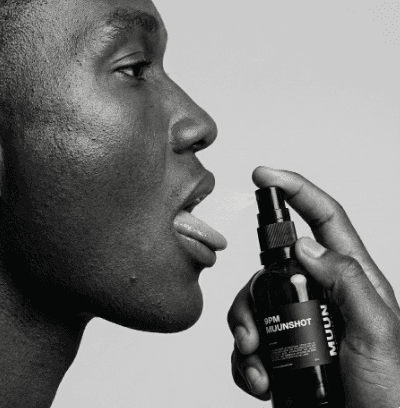
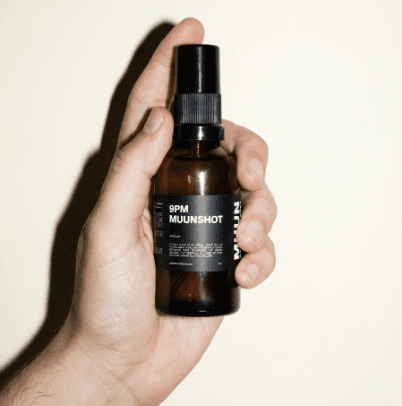
Precise Melatonin Support: Since natural melatonin production dips during the luteal phase, utilizing a MUUN Shot can bridge the gap.
Metabolic Control: While the "period cravings" for salty chips and sugar are intense, these inflammatory foods spike blood sugar. Prioritise complex carbohydrates and lean proteins, and aim to cease caloric intake 4–5 hours before bed to allow your body to focus on rest.
Cognitive Offloading (Journaling): Journaling has shown clinical success for persistent sleep issues. By moving "pre-period anxiety" from the mind to the page, you lower the sympathetic nervous system's arousal, making the transition to sleep smoother.

share